Why Context Switching is Destroying Your Energy Levels
You start your day with the best intentions. You’re going to finally crush that complicated refactoring job. You open your editor. Then a Slack notification slides in. A quick question from marketing. You switch tabs to answer. Bam. A calendar reminder for a stand-up you forgot about. You jump into the call. By the time you get back to your code, you’re already exhausted. And you haven’t even written a line. Sound familiar? That’s context switching. It’s not just annoying. It’s draining your mental batteries on an industrial scale. Your focus isn't a light switch you can just flip on and off. Every ping, every tab hop, every "quick question" comes with a hidden tax.
Why Your Brain Hates the Treadmill
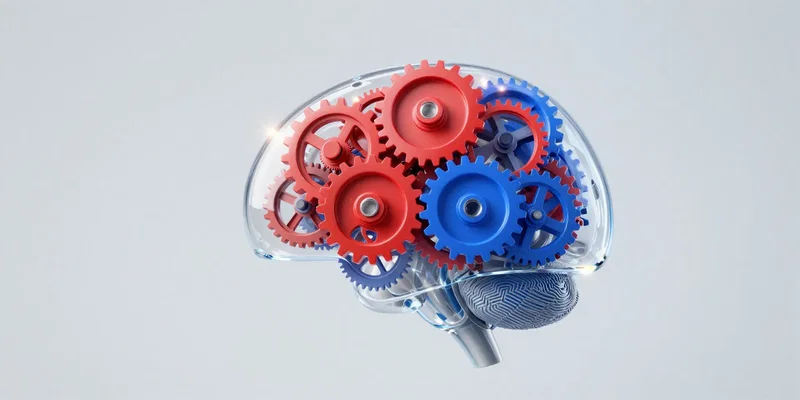
Here’s the thing. When you shift from writing code to answering a message, your brain isn't just changing the channel. It’s doing a full system reboot. It has to offload the rules, variables, and logic of your current task. Then it loads up the social protocols, knowledge base, and tone required for the new one. This takes real, metabolic energy. Neuroscientists call it the "switching cost." It’s why you feel a tangible lag, a mental fog, after being interrupted. You’re not lazy. Your hardware is overheating from too many reboots. Every forced switch is like asking a Formula 1 car to run a supermarket errand. It can do it, but it’s a punishing, inefficient waste of its design.
From Distracted to Deeply Burnt Out
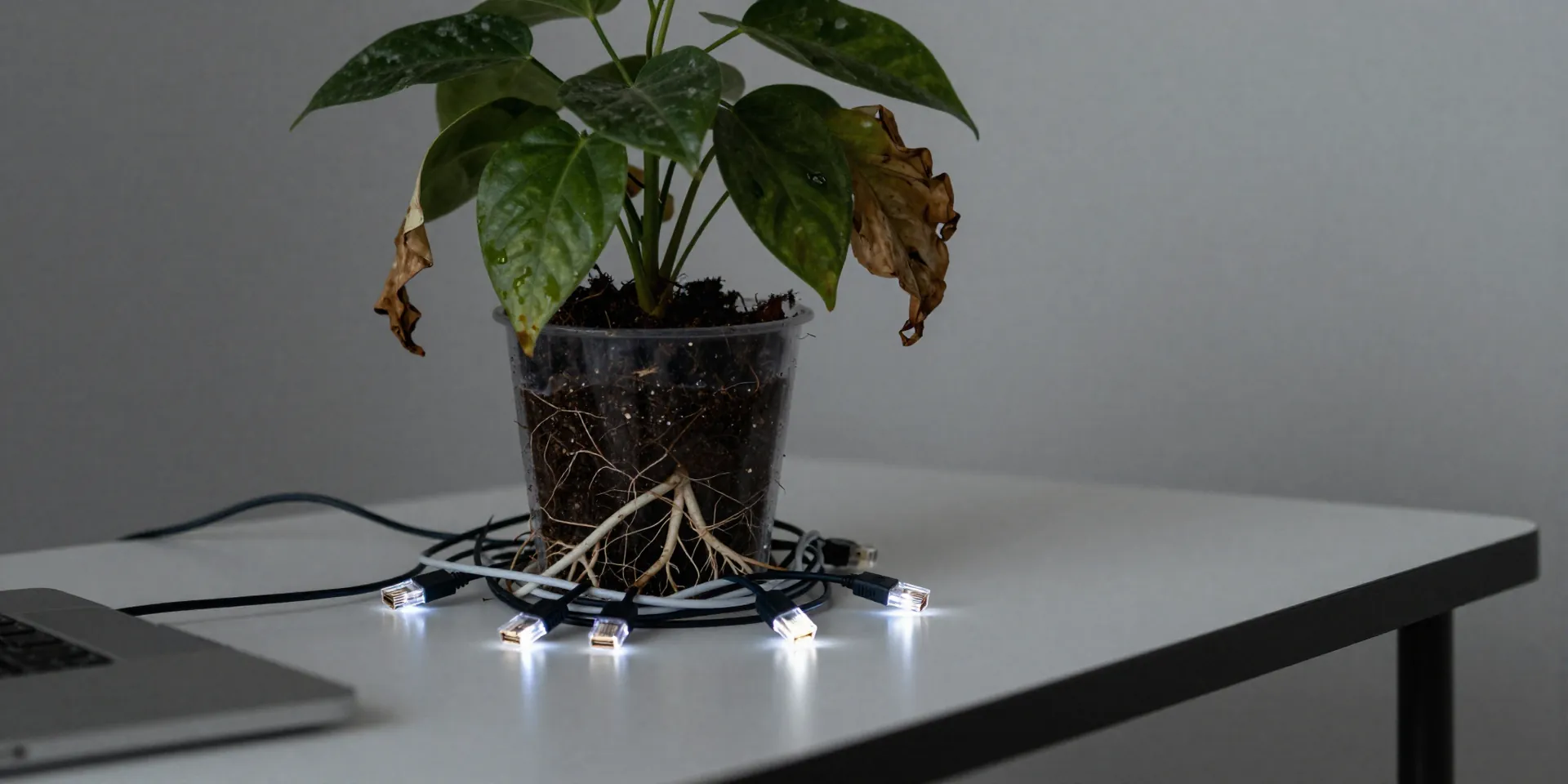
This isn't just about losing an hour of productivity. It’s the slow road to burnout. When you're constantly reactive—slave to the notification—you never reach a state of flow. You never get the deep satisfaction of solving a hard problem. Your workday becomes a series of shallow, unfinished tasks. You feel busy but utterly unaccomplished. That chronic feeling of "I worked all day and got nothing done" is the hallmark of a context-switched existence. The mental fatigue builds up. The frustration mounts. The passion for the craft? It gets buried under a mountain of pings. Burnout isn't always about working too many hours. Sometimes, it's about working in the wrong way.
Fighting Back: Defend Your Focus Like It's Your Job
So what do we do? Surrender to the chaos? Not a chance. You have to get militant about your attention. Start by batching your communication. Turn off all non-critical notifications. I mean all of them. Check Slack and email at designated times—maybe three times a day—not every three minutes. Block out "deep work" chunks on your calendar and treat them as sacred, unbreakable meetings with your most important client: your future self. Communicate this to your team. "Heads-down on a bug until 11 AM, will respond then." A good team will respect it. This isn't being antisocial. It's being professional. Your best work requires protection.
Crafting Your Code Sanctuary
Your environment matters. A lot. If your IDE has ten unread badge icons and your browser has forty-seven tabs open, you're already fighting a losing battle. Start clean. Close everything not related to the single task at hand. Use virtual desktops: one for coding, one for comms, one for research. Switch the whole desktop, not just the tab. It creates a cleaner mental boundary. Get serious about your tools. Use a Pomodoro timer. Get massive, comfy headphones as a visual "do not disturb" sign. This is your cockpit. You wouldn't fly a plane with a dashboard cluttered with cat videos and chat windows. Don't build software that way either.
Rethinking "Productivity" Altogether
The final shift isn't tactical. It's cultural. We've been sold a lie that responsiveness equals productivity. It doesn't. Shipping a clean, elegant feature is productive. Answering 200 messages a day is just motion. We need to measure output, not activity. Managers, this is on you too. Stop rewarding the firefighter who is always in drama. Start valuing the engineer who disappears for half a day and emerges with a brilliant, silent solution. Protect your team's focus. Judge a week by what was built, not by how many threads were replied to. Your energy is your most precious resource. Stop letting a hundred different apps siphon it off, drop by drop. Your best work is waiting on the other side of a quiet, uninterrupted hour. Give it that gift.